Yo Dawg
January 2007 — 2012
"We put a meme in your meme so you could cringe while you cringe"
Obituary
Yo dawg, I heard you like obituaries, so I put an obituary in your obituary so you can mourn while you mourn.
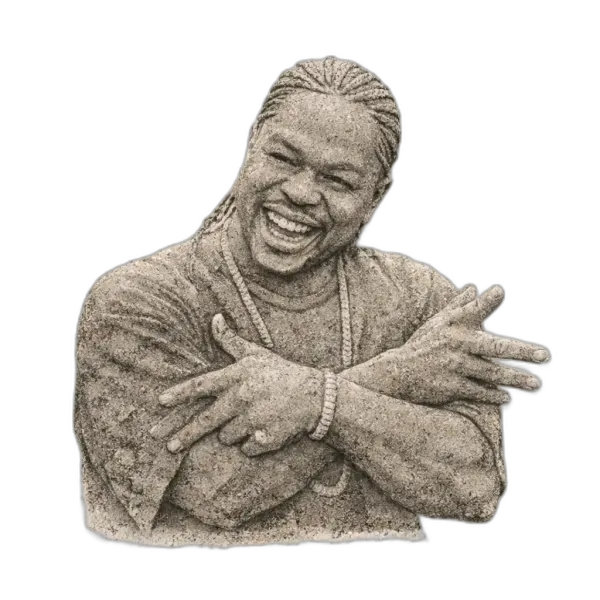
In early 2007, an image of rapper Xzibit—grinning with knowing satisfaction—began circulating with a peculiar caption format. "Yo Dawg, I herd you like X, so I put an X in your X so you can Y while you Y." The template was recursive, self-referential, and absolutely everywhere.
The meme emerged from Xzibit's role as host of MTV's Pimp My Ride (2004-2007), where car owners would get their vehicles absurdly customized. The show's premise—adding features within features, screens within screens, sound systems within sound systems—made Xzibit the natural face of recursive humor.
But the meme transcended its source material. It became a template for nesting concepts, for strange loops, for the kind of self-referential humor that Douglas Hofstadter wrote about in Gödel, Escher, Bach. Yo Dawg was philosophy disguised as a joke about car customization.
The format peaked in 2008-2009, achieving a level of saturation that made it impossible to encounter a nested concept without someone invoking Xzibit. Screens showing screens? Yo dawg. Dreams within dreams? Yo dawg. Any form of meta-commentary? You already know.
By the early 2010s, the format had exhausted itself through overuse. But its legacy lives on whenever someone nests one thing inside another and can't resist the urge to point it out.
Yo dawg, I heard you liked meme deaths, so we killed your meme so you could feel nostalgic while you feel nostalgic.