Joker Mind Loss
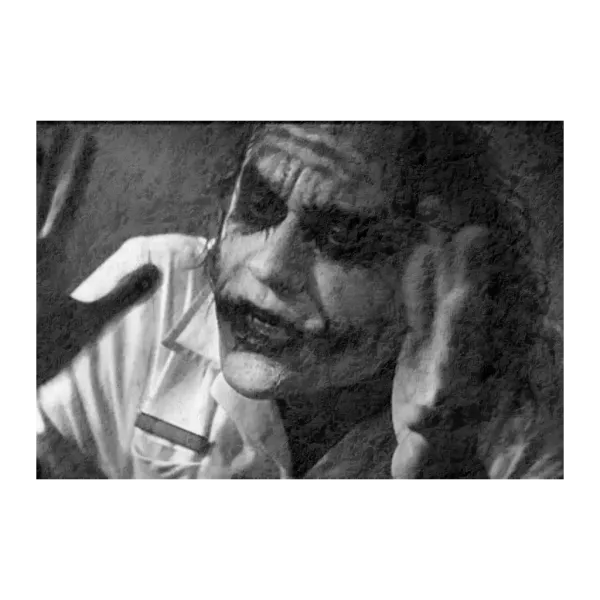
July 18, 2008 — June 2016
"Everybody stopped losing their minds"
Obituary
In 2008, Heath Ledger delivered a performance so magnetic that even a single screenshot could carry the weight of a thousand bad takes. The Joker, leaning forward in his nurse's outfit, arms spread wide, explaining how "nobody panics" when things go according to plan. The image captured something primal: the thrill of pointing out hypocrisy while dressed as a chaos agent.
The format was irresistible. "Nobody panics when [normal thing], but [slightly different thing] and everybody loses their minds!" It was whataboutism elevated to art form, a way to feel smarter than the discourse without actually engaging with it. Reddit ate it up. Facebook boomers discovered it. For a few glorious years, every perceived double standard got the Joker treatment.
At its peak, Joker Mind Loss was the thinking person's rage comic. It let you channel righteous indignation through a fictional murderer, which somehow felt more acceptable than just yelling. The meme said what you were thinking, but with theatrical flair and an implied "we live in a society."
But the format aged poorly. Pointing out hypocrisy stopped feeling clever when everyone was doing it constantly. The Joker became less "dangerous truth-teller" and more "that guy at Thanksgiving who won't stop comparing things." Also, we collectively realized that taking social commentary cues from a homicidal clown was maybe not the move.
Introduce a little anarchy, the meme promised. Upset the established order. And everything becomes chaos—including, eventually, the meme format itself. Nobody panicked when Joker Mind Loss died. That's the point.